
The Urban Culture and the Dynamics of a Shared Urban Space.
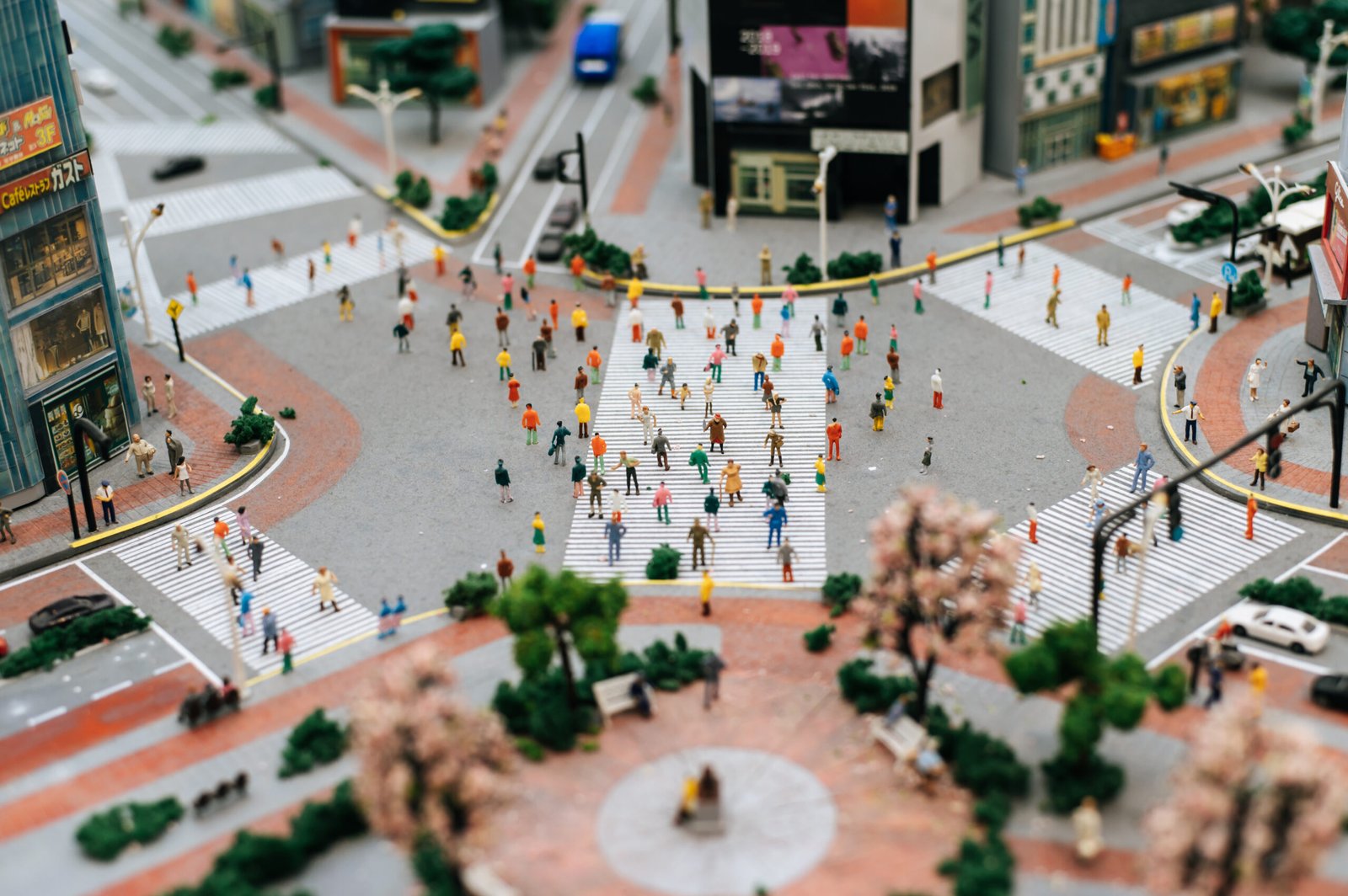
The constant interplay between people, infrastructure, routines, and common expectations creates city culture in the high-density residential neighborhoods. The culture of the city is built up through exposure to repetitive social interactions, unlike in smaller societies where these interactions are usually overt, and the norms are well known. The urban culture is formed by being exposed to the same space (e.g. a street, a bus, a workplace and a public facility). The nature of the city culture can assist one to realize that most actions in the urban settings are driven by efficiency, time, and the collective responsibility and not personal desire. Consciousness can give individuals a more precise understanding of urban relations and less frustrating and puzzling everyday experiences.
The social coordination of shared urban spaces is high, as they are all utilized by huge amounts of individuals that have varying backgrounds, priorities and routines. The streets, sidewalks, transportation means, parks and commercial space can only operate effectively when people adhere to informal rules pertaining to movement, distance, levels of noise and others. When such norms are not followed, even unintentionally, it adds tension and discomfort. The understanding of shared-space dynamics enables people to modify how they behave in order to contribute to the comfort of the group and easier coexistence.
One of the distinguishing features of city culture is efficiency because the urban life is fast-paced. Individuals tend to move fast, speak less, and work according to the time-sensitivity rather than socializing. This can be misunderstood to be impersonal, unfriendly particularly by people who are not used to the city life. Knowing this cultural trend can assist people to manage expectations and prevent needless negative suppositions. Consciousness encourages emotional flexibility and interpersonal comfort.
One of the most visible and valuable elements of the city culture is diversity. Cities can unite people of various regions, occupations, cultures, and ways of life which form a complicated social network. Although this diversity makes the city life, tolerance, patience and cultural sensitivity are needed. Diversity awareness can assist a person in communicating in a respectful manner and minimize misunderstandings that can occur due to the difference in norms or communication styles.
The social interaction of the population is very important in defining the experience of urban common spaces. Simple measures like keeping the queues, controlling noise, shareable spacing, and taking simple civic courtesy has an overall impact to the comfort of all parties concerned. Such behaviors are accords that are seldom formalized but rather maintained by social awareness and consideration to one another. The knowledge of personal influences promotes responsible involvement in the urban life.
One of the characteristics of the culture of cities is their constant development under the influence of the change of the population and technological progress and changes in social tendencies. Cities can adopt new challenges and opportunities and change practices that were prevalent in the past. Knowledge of this change makes people flexible and open-minded instead of becoming opposed to change. Flexibility is also critical to long-term comfort in the city.
The cultural expression is evident in the cities in terms of art, community activities, local traditions and community events. Such terms are expressions of urban population identity and values, which help people feel like they belong. The awareness makes people enjoy the diversity of the culture that surrounds them and encourages them to interact more intensively with their world.
Finally, the interpretation of city culture helps in making the common urban spaces appear not as overwhelming spaces but as manageable social systems. The realization of conflict minimization, respectful interaction, and enhancement of day-to-day experiences is achieved through awareness. When people realize the dynamics of common spaces, the city life will be more predictable, more cooperative, and comfortable.