
Flexibility to Change in Changing City Structures.
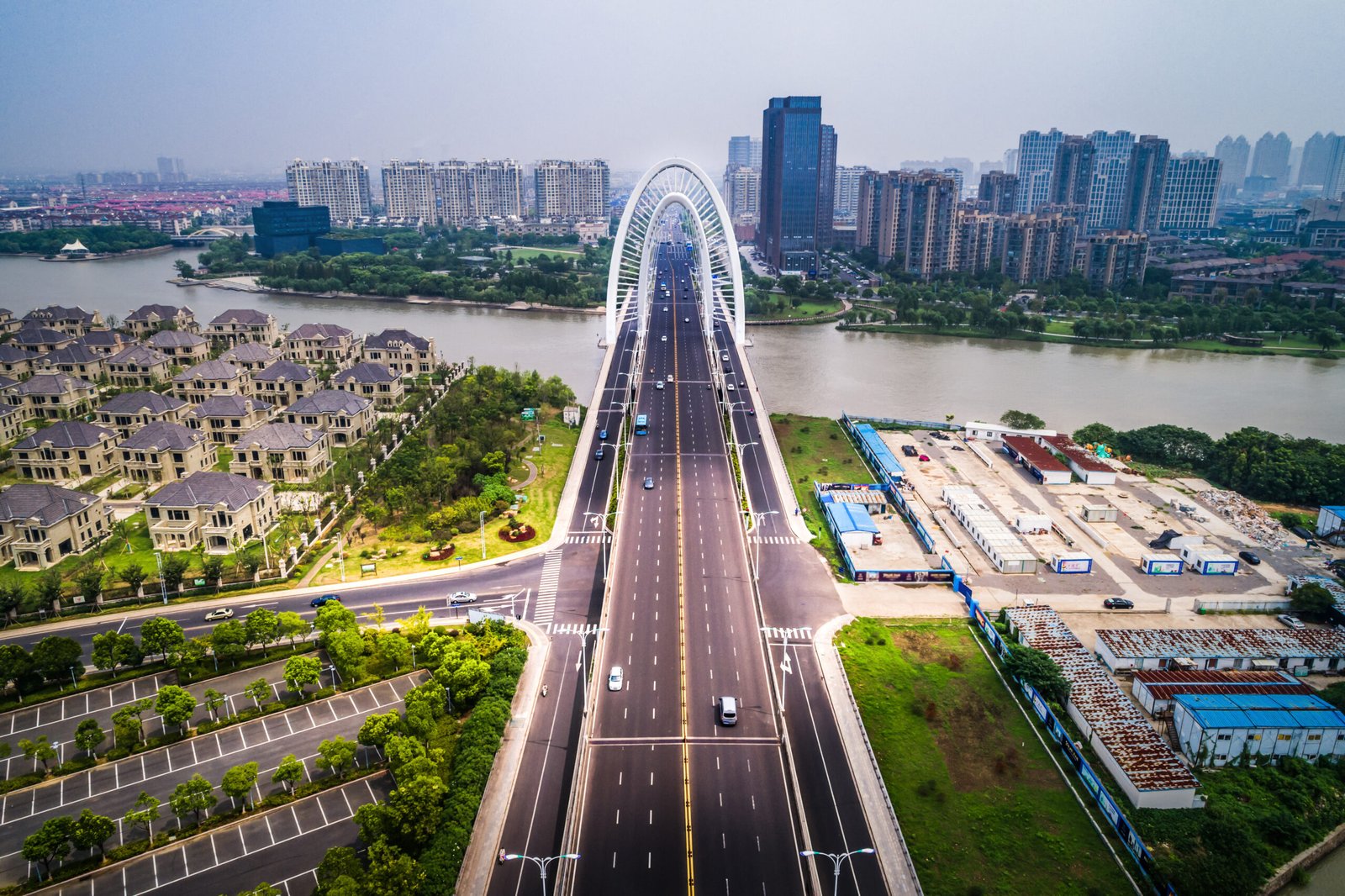
Cities are dynamic, which keeps on changing as a result of the increased population, economic growth, and technology change. Cities are not always static places and people in cities have to live in the state of constant change. The comprehension of urban change contributes to making people react to the process flexibly instead of opposing it. Consciousness promotes the strength of the ever-changing environment.
Neighborhoods often change with the urban development due to new building development, improvement of infrastructures, and land use modifications. Such developments can change established routes, residential trends, and neighbourhoods. Such changes can be overwhelming, disturbing without conscious realization. The comprehension of the reasons behind development assists a person to make adjustment of expectation and more comfortably adapt to a routine.
The contemporary cities are greatly transforming due to the impact of technology on communication, arrangement of work, transportation and access to services. Technological advancement enhances efficiency and convenience, however, at the cost of constant learning and adaptation. Consciousness prevents the feeling of individuals being overwhelmed by the use of new tools. Flexibility facilitates self-esteem.
The urban lifestyle patterns change with time as the cultural preferences, work patterns and social priorities change. What used to be taken as a matter of course can be altered as the urban population expands to meet the new challenges and opportunities. Consciousness makes people stay receptive to changing standards. Comfort is enhanced through flexibility.
Policy modification and infrastructure enhancements influence the daily lives, accessibility, and mobility. Improvements in public transport, alterations in the road, and changes in the provision necessitate adjustment. Consciousness helps in prior planning. Sudden change is stressful and preparation is a way to reduce stress.
The role of environmental factors in the planning of urban areas is becoming more apparent, such as green areas, sustainability, and resources planning. Awareness makes people to know the reason why these changes are being followed. Sustainable adaptation facilitates sustainability.
One of the most useful skills to succeed in changing urban conditions is personal adaptability. When they are receptive to learning, accommodative, and development, the persons will get less frustrated when they are transitioning. Consciousness contributes to emotional strength. Flexibility will improve trust.
After all, to prosper in urban areas, one must understand that change is an unavoidable part and not an exception. Awareness will turn the uncertainty into knowledge and resistance into acceptance. The knowledge provides people with the ability to find their way to survive through the changing urban landscape in a stable and clear fashion.