
The Smart Living in Urban Conditions.
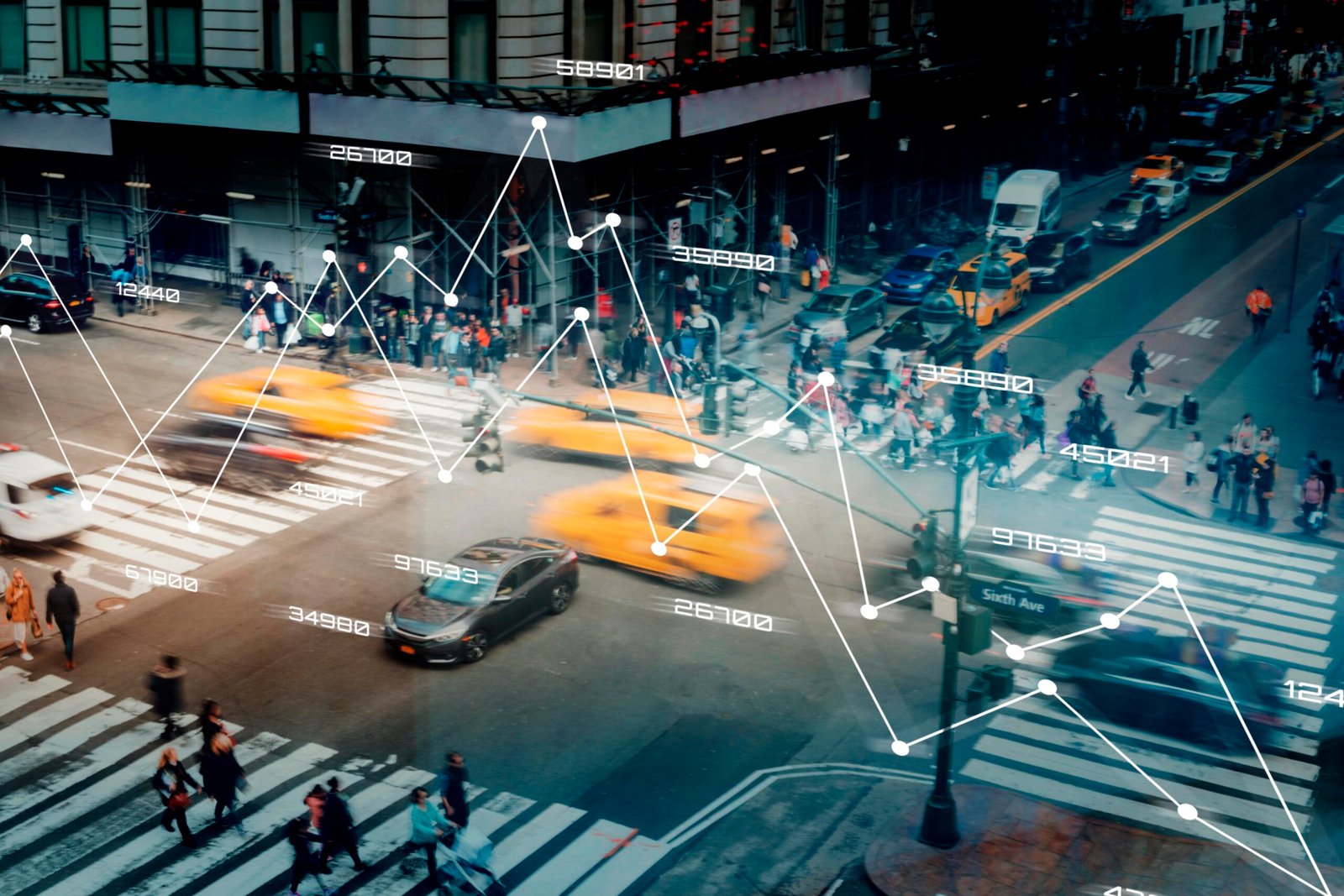
The living smart in the current urban setting is not merely a matter of luxury or technology, but rather of forming habits that enhance efficiency, comfort, and balance in the midst of the busy world. Cities are places of access, possibilities and connectivity but require flexibility and deliberate choice. This is achieved by learning smart living techniques that allow people to cope with the complexity of cities without feeling stressed. Knowledge alters urban existence into responsive living to organized and self-assured living.
One of the most important features of intelligent urban life is time management since city life is commonly characterized by commuting to work, time-related problems, and conflicting demands. People can feel the burden of unstopping pressures and exhaustion when they do not have clear prioritization. Smart living teaches to plan the days in a realistic manner considering the time spent on the way to work and the number of tasks to be accomplished, as well as personal requirements. The conscious thought of time limits can enable one to take back and minimize stress due to overcommitment.
The resource management is also critical in the high concentration urban areas where space, energy, and money are scarce. Smart living can be considered as the efficient organization of living spaces, mindful utilization of the living facilities, and avoiding the unnecessary consumption. Comfort is enhanced even in lesser environments when resources are handled in a manner that is meant to be so.
The decisions about transportation have an enormous impact on the everyday life of cities. Cities offer many ways of mobility, yet improper planning may result in wastage of energy, frustration, and time wastage. Smart living means being aware of the travel patterns, selecting efficient routes and schedule movement. Consciousness aids in making informed choices on transportation that enhance convenience and lessen everyday burden.
Technology is a very strong tool in assisting in smart urban living through navigation, communication and access to services. Nevertheless, being always connected may also make the mind weary and distracted. Smart living means the application of technology as an aid and not a comfort. Consciousness makes people live more conveniently in the digital realm and mentally healthy.
The urban setting demands conscious effort towards health and well-being because of noise, congestion, and a high-paced lifestyle. Smart living involves ensuring the practice of regular sleep, movement, and self-care even with the influence of outside factors. Awareness enables people to be aware of the symptoms of burnout at an early stage and create new routines in advance. Balance is a factor that contributes to resilience.
One of the major aspects of smart urban life is financial awareness, since the city may imply increased living expenses and a significant amount of spending opportunities. Budgeting, thoughtful spending and planning of finances makes individuals remain stable. Consciousness will facilitate well-informed financial choices based on individual priorities and not on whims and fancies.
Eventually, smart living will enable people to experience the benefits of living in urban settings and handle challenges in the best way possible. Consciousness will turn confusion to reality and stress to order. Learning smart habits of living will enable people to manage urban life with certainty and stability.